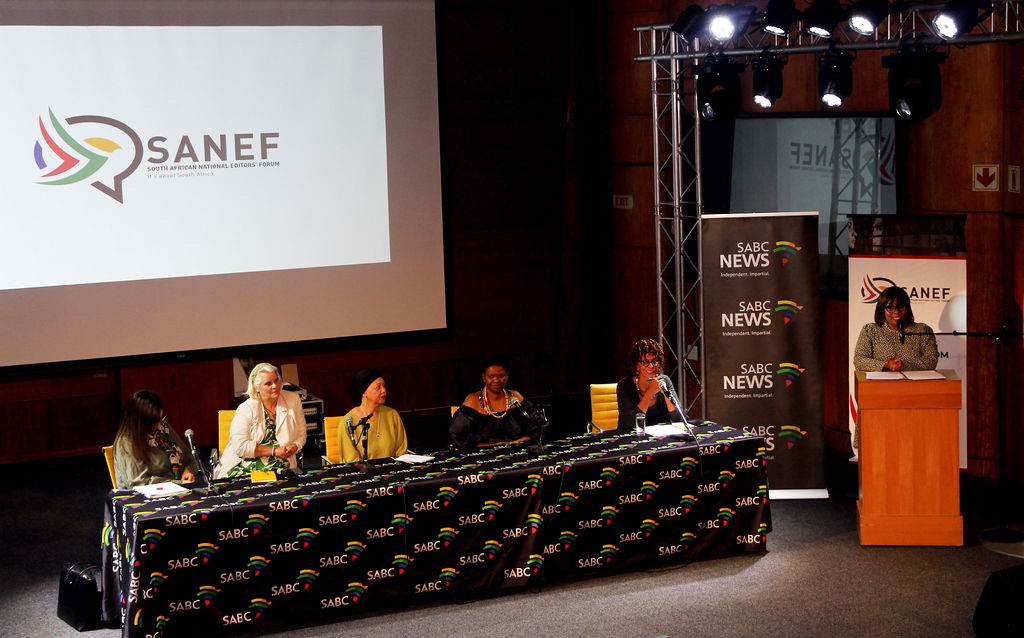
 From L to R: Zulpha Khan, Deidre Uren, An Wentzel, Pam Zokufa, Crystal Orderson and Sisanda Nkoala. Picture: Dzudzie Netshisaulu
That’s according to the Acting Group Executive for SABC News, Deidre Uren, who was addressing a seminar on the future of journalism, aimed at the next generation of women in newsrooms. The “Young Women Leaders in News Media” workshop which was hosted by the South African National Editors Forum and the UWC Chair in Media Inclusion and Diversity, in collaboration with the SABC at the public broadcaster’s Sea Point auditorium. The seminar is one of the UWC Chair's industry engagement initiatives to drive a more diverse media landscape, and the next phase of the collaboration with SANEF is a one-to-one mentorship programme where senior media and journalism students from various higher education institutions, will be paired up with women leaders in the media space.
“In the next two years we either continue to have a public broadcaster or we will see the demise of the SABC. It’s going to be a very, very sad day when that happens,” said Uren.
Uren said the vital role of the public broadcaster had to be understood.
“It’s not about competing with the commercial environment. It fundamentally sets the scene for every single person. I have always stayed in the public broadcasting environment. I believe in one thing: ‘Did I change a life today?’,” said Uren.
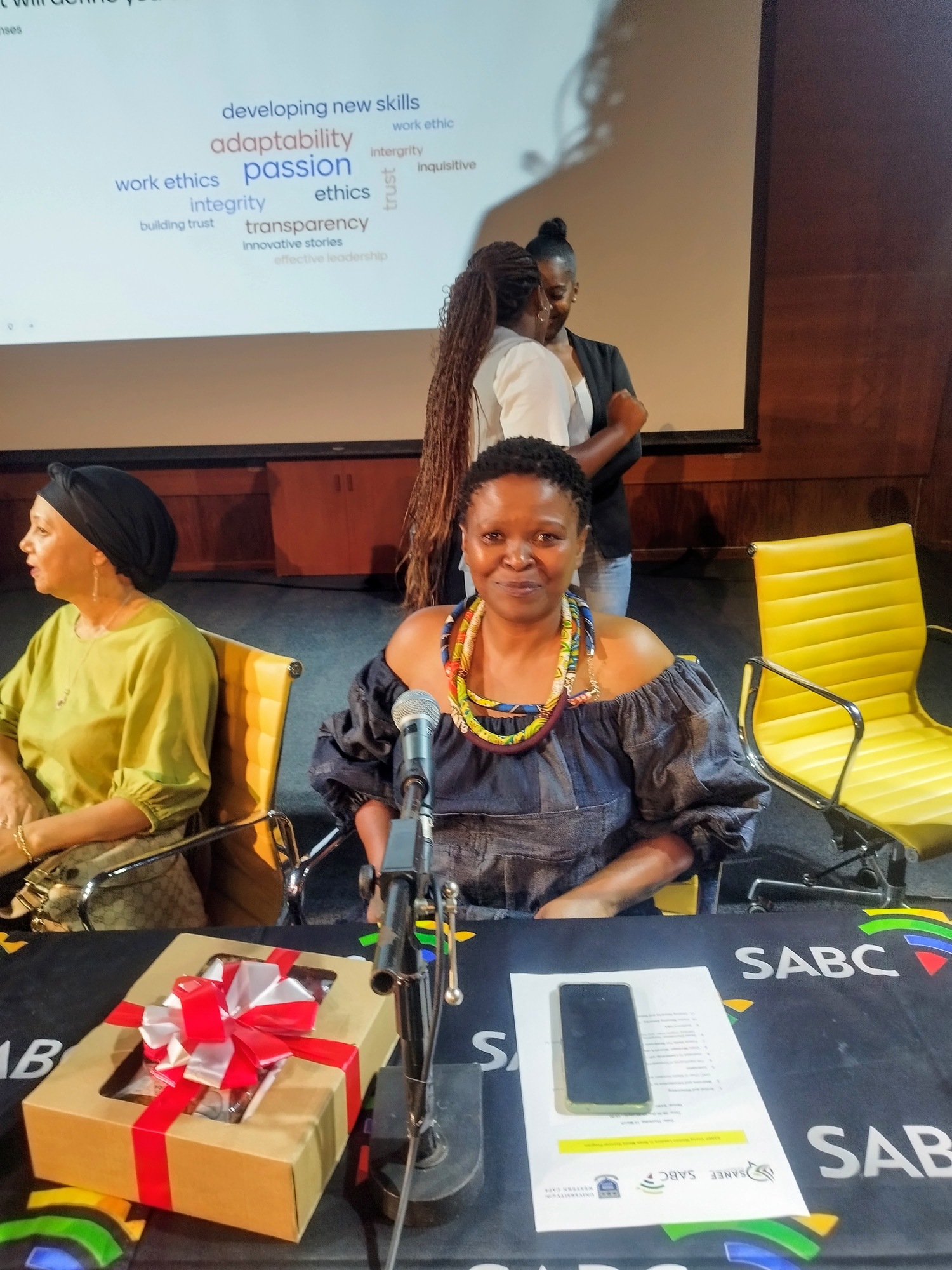 Freelance camera person Pam Zokufa told students about the importance of knowing your worth. Picture: Quinton Mtyala
“We’re converting ourselves from your traditional government organisation, that stood with our hands out and said, ‘give us money’. So, when we manage any division (within the SABC), we have to understand business” she said.
“If you cannot balance a balance sheet, you can’t be there, no matter how good you are as a journalist. If you’re a journalist and you cannot tell your editor what’s the return on investment on doing a story … there needs to be a business element.
For this reason, Uren said she was biased towards hiring those with some qualifications in economics, adding that everyone wanted to be a political reporter and these were a dime a dozen. This aligned with some of the work being done within UWC to develop new programmes in media and communication that would foreground the development of interdisciplinary skills.
Another panelist, Pam Zokufa, who was the first black woman videographer in South Africa, said as a freelancer she also had to weigh up the costs of covering stories. Sometimes, she said those hiring her wanted to exploit her, and underpay her because she was a black woman.
UWC’s Media Inclusion and Diversity Chair, Associate Professor Sisanda Nkoala, who was also the SA National Editors Forum Western Cape convenor, encouraged the students from UWC, CPUT and Rosebank College in attendance to engage with the panelists.
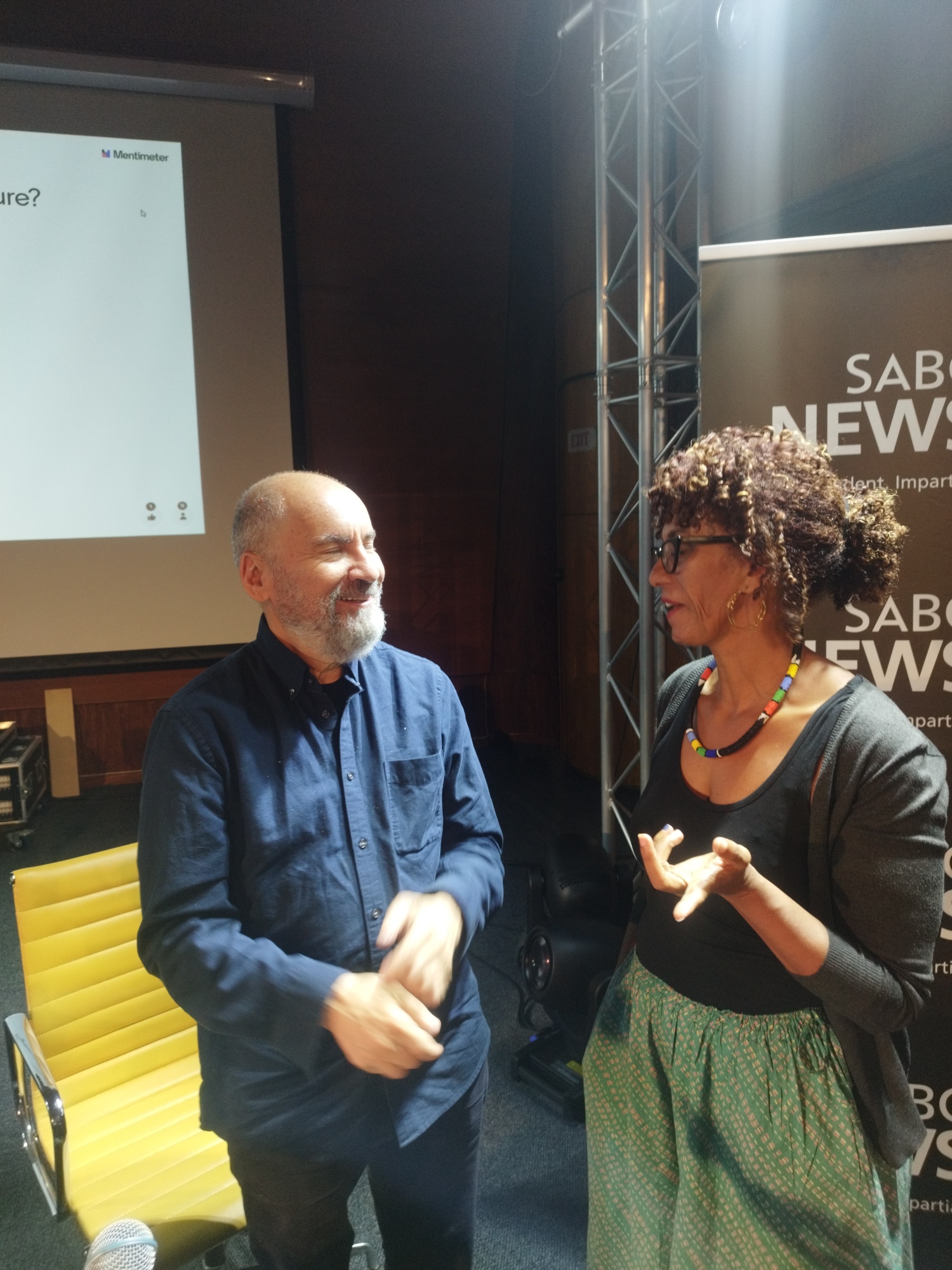 AJ Plus editor Tony Karon who was also a panelist in conversation with Crystal Orderson. Picture: Quinton Mtyala
Orderson, who was a freelance journalist and previously a senior correspondent for the SABC, heading up the corporation’s West Africa bureau, said it was important for her generation to create a toolbox for up-and-coming journalists.
She started off at the SABC in the early 1990s, at the dawn of democracy, and remembers the struggles black journalists faced when wanting to report the news.
In 2025, she said, the media landscape had drastically changed, saying, “It is rough out there.” But she was adamant the basic essence of story-telling remained although she wouldn't be covering service delivery protests.
“You’re dealing with smaller newsrooms, tighter budgets, so much more expectations from you, and then you have AI (ChatGPT), and a range of social media that you’re competing with. So it becomes a more nuanced landscape that you are facing but I do believe that having sessions like this, where you hear from women who jointly have a 100 years of experience in the newsroom and who have faced a whole array of different issues, that hopefully you’re leaving here today feeling more confident,” said Orderson.
Thumbnail Image: Quinton Mtyala