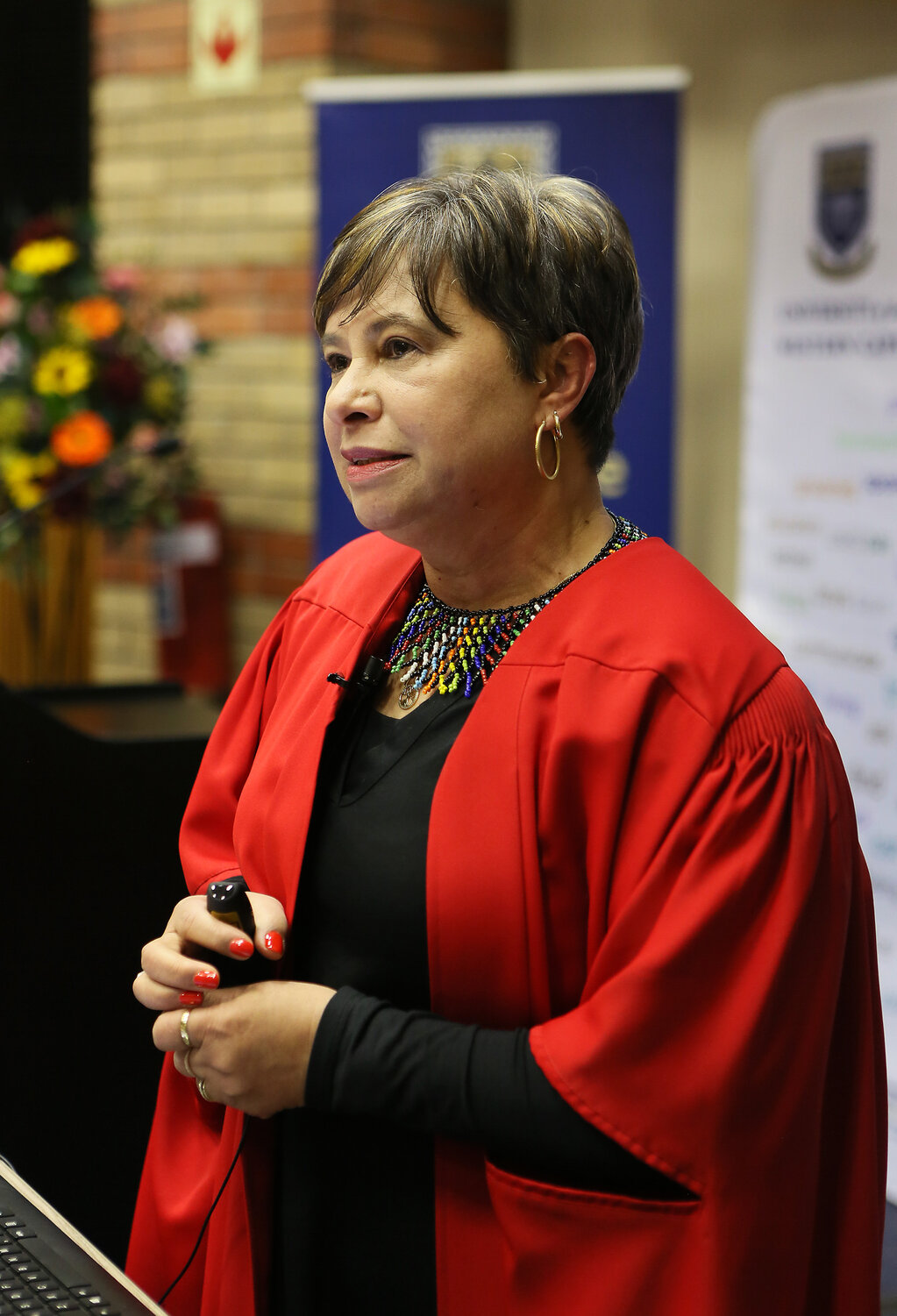
Prof. Roman’s insights provide a compelling case for why families should be at the heart of our efforts to create a better world for all.
Prof. Nicolette Roman from the University of the Western Cape’s Centre for Interdisciplinary Studies of Children, Families and Society, emphasised the critical role of families in achieving the Sustainable Development Goals (SDGs).
Her insights were presented during her recent inaugural lecture titled, “Capabilities, Connections, and Collective Thriving: Harnessing Family Potential to Weave Stronger Societies,” Redefining Family Structures.
She shed light on how family-centered approaches can drive societal progress and foster resilience.
Prof. Roman’s lecture underscores the importance of placing families at the centre of societal development.
“By adopting family-centered approaches, we can create supportive environments that empower families to thrive and contribute to broader societal well-being.”
She stated, “When we strengthen the capabilities in and of families to connect, we harness the family’s potential to collectively thrive and weave stronger societies.”
Prof. Roman redefined the concept of family in modern society, highlighting that families today are diverse, encompassing nuclear families, single-parent households, blended families, same-sex partnerships, and even close-knit groups of friends who provide mutual support.
This inclusive definition underscores that the essence of family lies in the relationships and bonds formed, rather than traditional structures.
Central to Prof. Roman’s argument is the idea that family-centered approaches are essential for addressing complex societal issues.
She advocates for policies and interventions that prioritise family strengths and needs, creating supportive environments that help families navigate obstacles and contribute to their communities.
This perspective aligns with the SDGs, which aim to promote well-being, reduce inequalities and foster sustainable development.
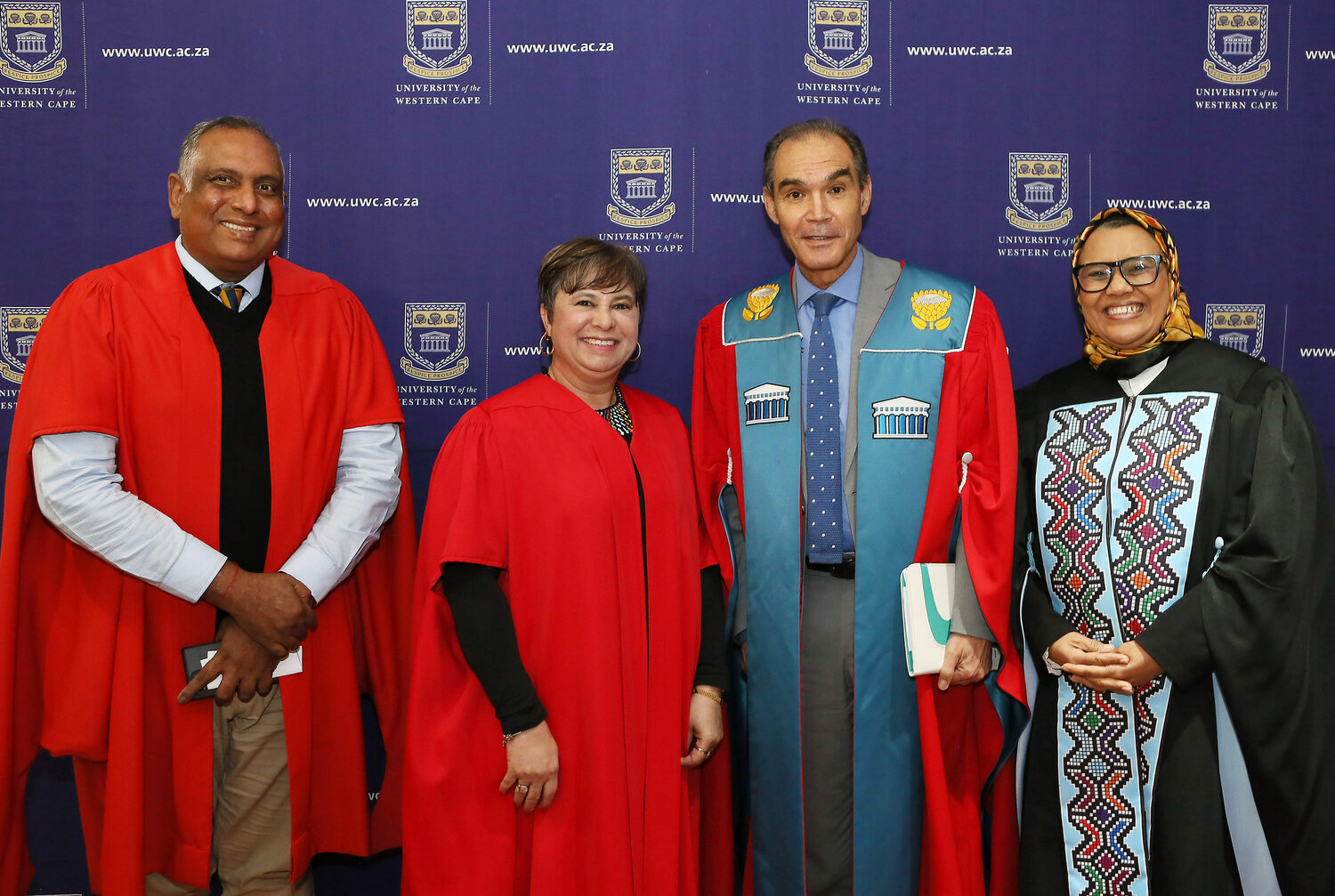
“For instance, strong family ties can help keep children in school, thereby contributing to SDG 4 which is Quality Education. By reducing violence within and outside the family, families can support SDGs 3, Good Health and Well-being, SDG 5 - Gender Equality, SDG 10 Reduced Inequalities and 16 Peace, Justice, and Strong Institutions. Additionally, educating families about sustainable behaviors can transform daily routines into environmental stewardship, addressing SDG 13 which is Climate Action.”
Drawing on the Human Capabilities Approach, Prof. Roman emphasises that families play a crucial role in enhancing individual well-being and social cohesion.
She identifies ten human capabilities essential for a fulfilling life, including health, education, emotional well-being, and social connections. By focusing on these capabilities within the family context, we can create environments where individuals thrive and contribute to broader societal goals.
Prof. Roman outlines several practical implications of adopting a family-centered approach:
- Public policies should support work-life balance, affordable childcare, and access to basic services like healthcare and education. Tax incentives for family caregivers and social protection for vulnerable families can enhance resilience.
- On the healthcare front, involving family members in care decisions and recognising their role in patient recovery can improve health outcomes. Family-centered healthcare plans should consider the needs of the entire family unit.
- At an educational level, schools should accommodate diverse family structures and support family involvement in children’s education. Flexible school hours, family counseling services, and parent engagement initiatives can foster a supportive educational environment.
- Within communities, community organisations should provide services that enhance family cohesion, family well-being and social cohesion, such as programmes specifically designed for whole families and not only parents, mental health services, and managing family connections and behaviours towards each other.
She advocates for promoting healthy digital habits within families and fostering digital literacy to mitigate the negative impacts of technology.
Regarding climate change, she emphasises the need for family-centered policies that empower families to cope with environmental challenges, such as providing access to clean energy and promoting sustainable living practices.