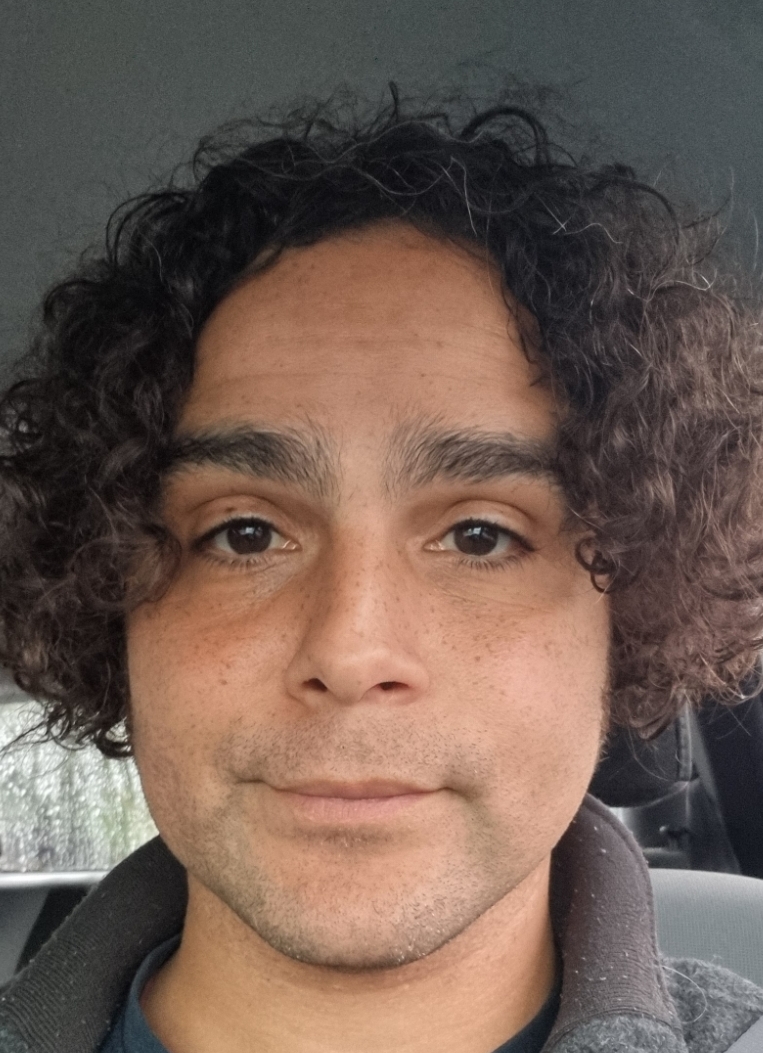
 Nicklaus Kruger
A journey that truly fits the UWC mold - from hope to action, through knowledge.
His story is one of transformation, resilience, and unwavering commitment to education and social justice. And as someone who once vowed never to return after graduating, his eventual role as Vice-Chancellor and Rector was a testament to the unpredictable paths life can take.
When I first met Prof O’Connell, his presence was both commanding and comforting. He had a way of making you feel at ease while simultaneously challenging you to think deeper.
Sense-making, he called it in many of his speeches. Not only speaking sense or being sensible, but making sense of the world around us, and our place in it.
That isn’t always easy to do, of course - as Prof O’Connell himself would be the first to say.
His reflections on his student days at UWC were filled with a mix of nostalgia and pain.
He often recounted how he and his peers attended the University under protest, refusing to align themselves with an institution that was a product of the apartheid regime. Their goal was to master their studies, not to embrace the University itself.
He recalled at his own graduation ceremony the speech by an Afrikaner academic, saying it was so demeaning that he was happy to leave, and believed he would never again set foot on this campus.
The message was to be proud of ourselves and be ready to serve “our coloured nation”. But life, of course, had other plans for him.
UWC transformed into a vibrant force against apartheid, becoming a centre of opposition ideologically, intellectually, and politically. This transformation made him believe that he could find a home at the new UWC - and help it navigate a post-apartheid South Africa.
UWC had selected the right man for the job. Prof O’Connell’s leadership during this period was marked by his ability to persuade the University community to engage with the government rather than resort to violent opposition. His optimism and belief in the power of ownership and commitment were pivotal in navigating these challenges.
He always believed what set UWC apart was its care for students and understanding of their challenges. The University celebrated student success despite hardships, a testament to its commitment to their well-being.
His speeches would mention that while other universities with inherited money could draw bright young students by offering attractive scholarships, UWC could offer understanding and hope, and dedication along with a vision that could guide them to become the leaders they were meant to be.
Prof O’Connell’s vision for UWC itself was clear. He believed that if people took ownership of the University and committed to its development, they could achieve anything. For Prof O’Connell, that object was to build a viable, capable nation through education.
Under his guidance, UWC rose from a university thought incapable of survival to one that made significant strides in excellence. It became respected locally and globally, earning accolades such as being in the top 5% of BRICS universities.
The erection of the Life Sciences Building, in particular, was a high point for him, symbolising a commitment to mastering science and defying apartheid’s message that Africans should not - could not - be taught science.
He would say the new Life Sciences Building is a cathedral to science and a proclamation that we will master the discipline of science and knowledge of our world. It’s a symbol that African scientists can make sense of the world for ourselves.
 Professor Brian O' Connell
He often emphasised how crucial self-confidence is for well-being and the ability to engage, overcome, and build.
He held the view that the legacy of apartheid had destroyed many people’s sense of self, but seeing students win competitions and excel was a testament to their resilience and potential.
Respect for oneself and others was a cornerstone of his philosophy. Leadership, for him, was about articulating a clear vision and trusting the people entrusted with responsibilities to do their part.
He emphasised the importance of punctuality and cleanliness, believing that these small acts of respect could transform the University environment. And he led by example, picking up any litter he encountered on his walks across campus while engaging with students along the way.
Prof O’Connell’s commitment to UWC was palpable, even as he approached his last day as Vice-Chancellor. It was clear that his dedication to the University would not end with his tenure.
When asked what he would change or get involved in if he had more time, he spoke passionately about enhancing the University’s engagement with the community.
He envisioned a curriculum that involved students contributing to the welfare of their communities, helping them develop a strong sense of responsibility.
He believed that intellectual work and leadership for development were crucial for the students’ growth and the community’s progress.
In an interview as he was preparing for retirement, he reflected on what he would miss most: the vibrant excitement of learning, the daily encounters with bright young South Africans, and the sense of self-confidence that education instilled in them.
In a personal reflection on Prof O’Connell’s journey, I am reminded of the power of leadership, vision, and commitment. His story is a beacon of hope and a reminder that with dedication and belief in one’s mission, even the most daunting challenges can be overcome.
His belief in the potential of UWC and its students was unwavering, and his legacy is a testament to what can be achieved with dedication, vision and a commitment to social justice.
Nicklaus Kruger is a former communications officer at the University of the Western Cape who followed and reported on Prof Brian O’Connell’s academic journey. He currently works in communications at the Biodiversity Biobanks South Africa.