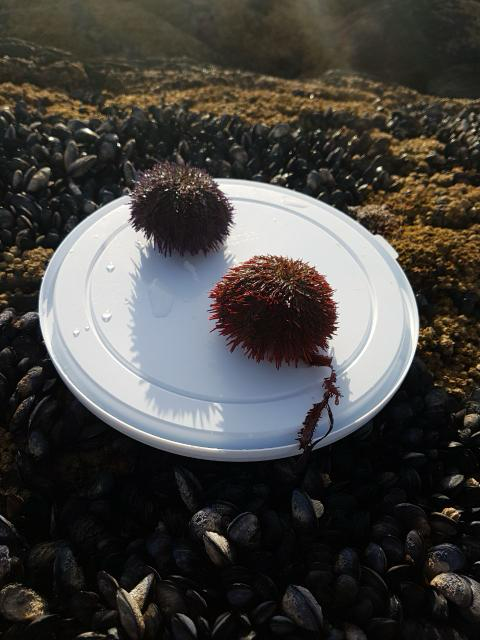
 Sea Urchins
Dr Monique Bennett’s latest study examines how these persistent contaminants are affecting the sperm of various marine species.
“These pollutants, often found near marine sewage outfalls, include anti-inflammatory drugs, antibiotics, and pesticides,” said Dr Bennett from the Department of Medical Biosciences at the University of the Western Cape (UWC).
“Previous research has shown that these chemicals can mess with the sperm's ability to swim toward the egg it intends to fertilise (sperm motility) and can damage DNA and lower fertilisation rates, which in turn leads to developmental issues in embryos - all of which spells trouble for marine environments and ecosystems.”
 Dr Monique Bennett
Dr Bennett has collaborated with renowned researcher Prof Leslie Petrick and her team at UWC’s Chemistry Department, who have previously identified these contaminants in water samples.
As part of the study, sperm motility is analysed using the Computer-Aided Sperm Analysis programme in the Comparative Spermatology Laboratory.
This research highlights the urgent need for further investigations into contaminants of emerging concern (CECs) and suggests that spermatozoa could be reliable bioindicators for toxicological studies. This means that the functionality of the sperm of urchins and oysters — through their swimming ability, viability, and vitality — can indicate the presence of toxins within a specific area.
“Due to the rising carbon dioxide levels causing ocean acidification (which adds another layer of stress to marine invertebrates), understanding and mitigating the impact of environmental contaminants becomes even more crucial,” she said.
Dr Bennett is known to captivate undergraduate students with her lectures on human biology and is no stranger to diving deeply into the mysteries of sperm competition.
Watch as Dr Bennett talks about her work below