Image: Andre Taissin on Unsplash
In an unprecedented turn of events, the annual budget speech had to be postponed as coalition partners in the Government of National Unity wrangled over its contents, hours before it was set to be tabled in Parliament. This is what UWC experts had to say about the implications of the political drama on Wednesday.
The postponement of South Africa’s Budget Speech to March and the proposed two-percentage-point increase in Value-Added Tax (VAT) have sparked significant economic and political debate.
Experts from the University of the Western Cape (UWC) provide insights into the implications of these developments, particularly concerning economic strain on lower-income households and the broader fiscal and political landscape.
 Professor Derek Yu
, economist and Acting Dean for the Faculty of Economic and Management Sciences at UWC, warns that a VAT increase from 15% to 17% would disproportionately affect lower-income households.
Professor Derek Yu
Professor Derek Yu, economist and Acting Dean for the Faculty of Economic and Management Sciences at UWC, warns that a VAT increase from 15% to 17% would disproportionately affect lower-income households.
Since these households allocate a substantial portion of their income to essential food items—some of which are not zero-rated—the proposed VAT hike could exacerbate financial strain and deepen poverty.
“The proposed two-percentage-point VAT increase would mean the poor would endure the tax burden a lot,” Yu explains. “This is actually the reason why some essential food items are zero-rated—to help poor people. It would be interesting to wait for further announcements on whether there will be a Plan B, that if the VAT hike happens, a wider range of essential food items will join the ‘zero-rated’ category so that the potential negative impact on the poor will be much less.”
Prof Yu further highlights the inelastic nature of demand for essential goods among lower-income households. Unlike wealthier consumers, who can shift spending patterns or opt for luxury alternatives, poorer households have little choice but to absorb the increased costs.
“Poor households are, in general, inelastic to price increases because they need these items for survival,” he states. “Thus, even with the VAT hike (and subsequently price hike of the goods), it is unlikely for the consumers to reduce the consumption quantity of essential goods by too much. They will be relatively more vulnerable to the potential VAT hike than rich households, who can look for luxury foods and drinks as substitutes.”
Beyond consumers, businesses may also bear the brunt of increased VAT. A higher cost of living could prompt wage increase demands as workers seek compensation for rising expenses. Since labor is a fundamental input cost, businesses may face additional operational challenges, potentially hampering investment and economic growth.
Speech halted as GNU partners disagree budget shortfall
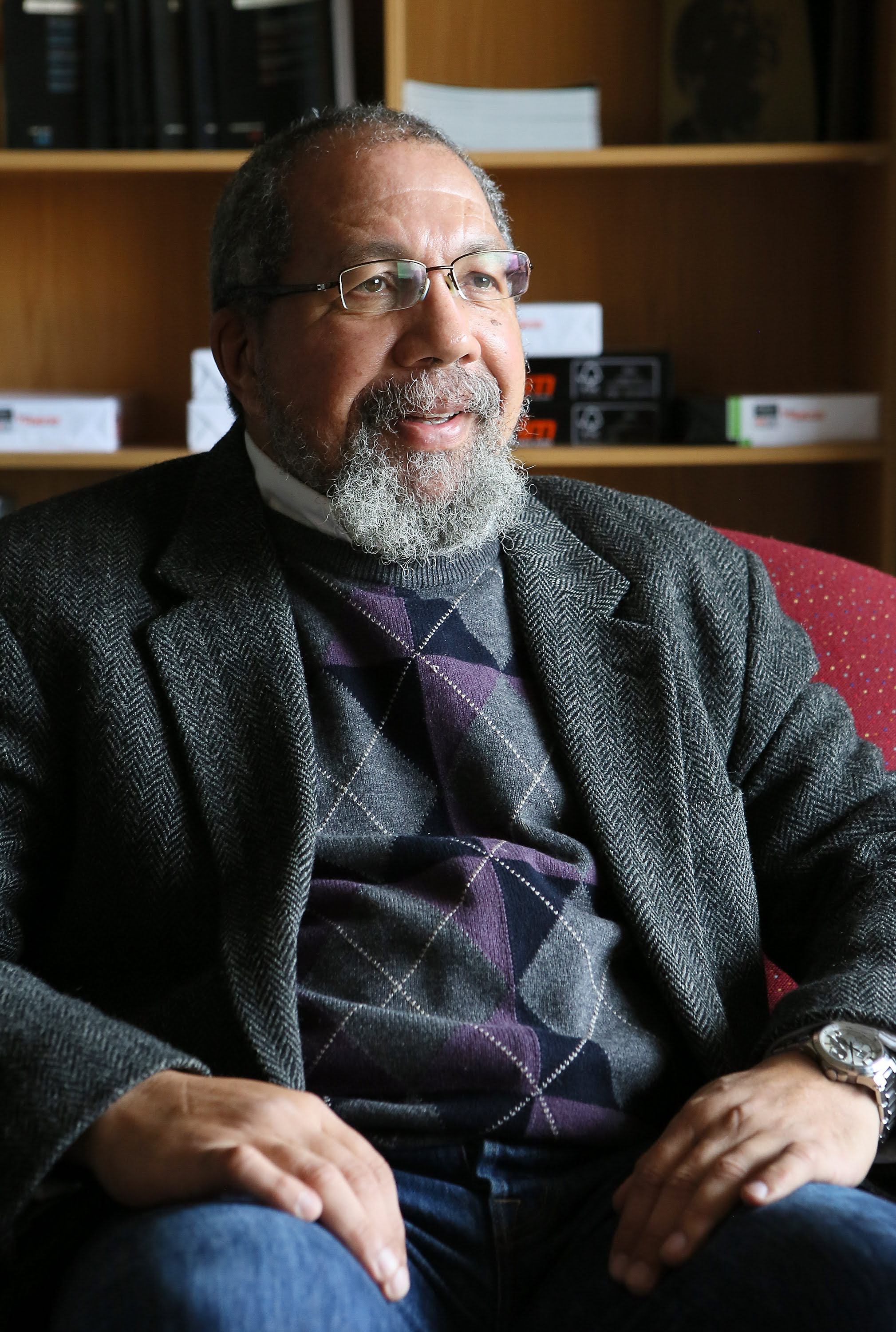 Dr. Jonathan Mark Hoskins
The delay in the Budget Speech followed a significant fallout within the Government of National Unity (GNU) over the VAT proposal. The Democratic Alliance (DA), a senior partner in the coalition government, strongly opposed the increase, forcing a postponement.
Dr. Jonathan Mark Hoskins
The delay in the Budget Speech followed a significant fallout within the Government of National Unity (GNU) over the VAT proposal. The Democratic Alliance (DA), a senior partner in the coalition government, strongly opposed the increase, forcing a postponement.
Dr. Jonathan Mark Hoskins from UWC’s Political Studies Department contextualises these tensions within the broader complexities of coalition governance. “By its very nature, the GNU is built on competing visions for South Africa’s development. The parties involved not only hold different perspectives but in many cases, their viewpoints are deeply rooted in historically fractious divisions,” he explains.
The ANC’s loss of its majority has ushered in a new political era where coalition partners must negotiate compromises on key economic policies. “This is new political terrain,” Dr. Hoskins adds. “The process of finding a functional equilibrium within this coalition will inevitably lead to disagreements and standoffs. The current VAT dispute is just one of many such challenges that will arise.”
As South Africa navigates its economic and political challenges, the proposed VAT increase and Budget Speech delay underscore the complexities of fiscal policymaking in a coalition government. Insights from UWC’s economic and political experts highlight the need for a balanced approach—one that safeguards the most vulnerable while addressing the country’s fiscal constraints. The coming months will determine how government leaders reconcile these competing priorities to foster economic stability and social equity.
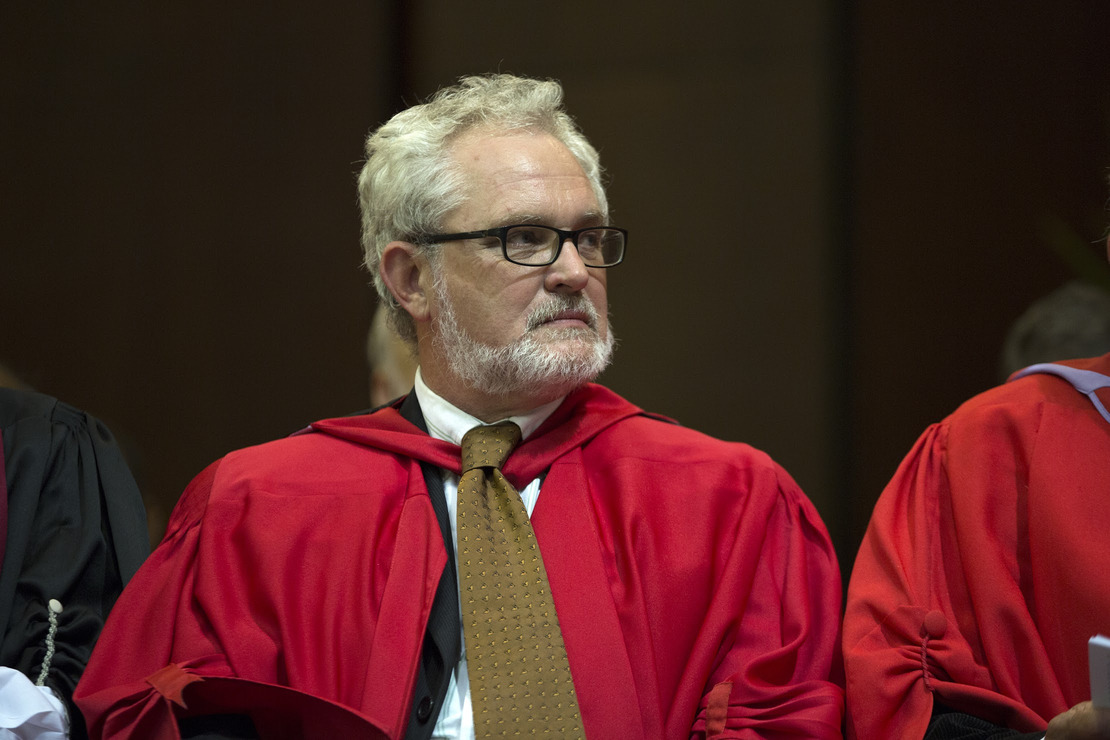 Professor Julian May
Prof Julian May said an increase in VAT from 15% to 17% would raise the cost of many essential food items and increase input costs for food production, transport, and retail, indirectly impacting even VAT-exempt staple foods. Low-income households, which already spend a large share of their income on food, would face reduced purchasing power, likely leading to a shift toward cheaper, less nutritious diets and exacerbating risks of malnutrition and food insecurity.
Professor Julian May
Prof Julian May said an increase in VAT from 15% to 17% would raise the cost of many essential food items and increase input costs for food production, transport, and retail, indirectly impacting even VAT-exempt staple foods. Low-income households, which already spend a large share of their income on food, would face reduced purchasing power, likely leading to a shift toward cheaper, less nutritious diets and exacerbating risks of malnutrition and food insecurity.
UWC-based Professor Julian May is the director of the DSI-NRF Centre of Excellence in Food Security (CoE-FS), director of the Institute for Social Development at UWC, and holds the UNESCO Chair in African Food Systems. His current research focuses on food security, childhood deprivation and malnutrition.
However, not increasing VAT also presents risks, as South Africa is facing serious fiscal constraints, with high debt levels and growing demands for public spending. Without additional revenue, critical programs such as social protection, school feeding, and health services may suffer from underfunding, which could ultimately worsen food insecurity in the long term.
Given these trade-offs, alternative revenue-raising measures should be explored alongside or instead of a VAT increase. Further progressive tax reforms, such as corporate tax adjustments, could generate revenue without disproportionately burdening the poor. A sliding-scale VAT system could be a more equitable alternative to a blanket VAT increase, ensuring that higher-income consumers bear a greater share of the tax burden while minimising the impact on essential goods. Under such a system, basic necessities, such as staple foods, public transport, and essential healthcare products, remain zero-rated, while luxury goods and non-essential services used predominantly by higher-income consumers would be taxed at higher VAT rates. Finally, strengthening compliance and efficiency in tax collection, particularly by addressing illicit financial flows and tax evasion, has already improved government revenues without increasing the tax burden on low-income households.
If VAT is increased, mitigation strategies are essential to protect food security. In 2024, expanding VAT exemptions to include nutritious foods, such as fresh chicken, tinned fish and peanut butter, may have already helped to prevent dietary deterioration among vulnerable groups. Other food items, such as processed chicken products, could be included. Social grants should be adjusted for inflation to maintain real purchasing power, while targeted subsidies for smallholder farmers and informal traders could help stabilise food prices. Without such measures, a VAT increase could exacerbate poverty and inequality, making it harder for South Africa to achieve its food security and economic development goals.
In an unprecedented turn of events, the annual budget speech had to be postponed as coalition partners in the Government of National Unity wrangled over its contents, hours before it was set to be tabled in Parliament. This is what UWC experts had to say about the implications of the political drama on Wednesday.
The postponement of South Africa’s Budget Speech to March and the proposed two-percentage-point increase in Value-Added Tax (VAT) have sparked significant economic and political debate.
Experts from the University of the Western Cape (UWC) provide insights into the implications of these developments, particularly concerning economic strain on lower-income households and the broader fiscal and political landscape.
Professor Derek YuSince these households allocate a substantial portion of their income to essential food items—some of which are not zero-rated—the proposed VAT hike could exacerbate financial strain and deepen poverty.
“The proposed two-percentage-point VAT increase would mean the poor would endure the tax burden a lot,” Yu explains. “This is actually the reason why some essential food items are zero-rated—to help poor people. It would be interesting to wait for further announcements on whether there will be a Plan B, that if the VAT hike happens, a wider range of essential food items will join the ‘zero-rated’ category so that the potential negative impact on the poor will be much less.”
Prof Yu further highlights the inelastic nature of demand for essential goods among lower-income households. Unlike wealthier consumers, who can shift spending patterns or opt for luxury alternatives, poorer households have little choice but to absorb the increased costs.
“Poor households are, in general, inelastic to price increases because they need these items for survival,” he states. “Thus, even with the VAT hike (and subsequently price hike of the goods), it is unlikely for the consumers to reduce the consumption quantity of essential goods by too much. They will be relatively more vulnerable to the potential VAT hike than rich households, who can look for luxury foods and drinks as substitutes.”
Beyond consumers, businesses may also bear the brunt of increased VAT. A higher cost of living could prompt wage increase demands as workers seek compensation for rising expenses. Since labor is a fundamental input cost, businesses may face additional operational challenges, potentially hampering investment and economic growth.
Speech halted as GNU partners disagree budget shortfall
Dr. Jonathan Mark HoskinsDr. Jonathan Mark Hoskins from UWC’s Political Studies Department contextualises these tensions within the broader complexities of coalition governance. “By its very nature, the GNU is built on competing visions for South Africa’s development. The parties involved not only hold different perspectives but in many cases, their viewpoints are deeply rooted in historically fractious divisions,” he explains.
The ANC’s loss of its majority has ushered in a new political era where coalition partners must negotiate compromises on key economic policies. “This is new political terrain,” Dr. Hoskins adds. “The process of finding a functional equilibrium within this coalition will inevitably lead to disagreements and standoffs. The current VAT dispute is just one of many such challenges that will arise.”
As South Africa navigates its economic and political challenges, the proposed VAT increase and Budget Speech delay underscore the complexities of fiscal policymaking in a coalition government. Insights from UWC’s economic and political experts highlight the need for a balanced approach—one that safeguards the most vulnerable while addressing the country’s fiscal constraints. The coming months will determine how government leaders reconcile these competing priorities to foster economic stability and social equity.
Professor Julian MayUWC-based Professor Julian May is the director of the DSI-NRF Centre of Excellence in Food Security (CoE-FS), director of the Institute for Social Development at UWC, and holds the UNESCO Chair in African Food Systems. His current research focuses on food security, childhood deprivation and malnutrition.
However, not increasing VAT also presents risks, as South Africa is facing serious fiscal constraints, with high debt levels and growing demands for public spending. Without additional revenue, critical programs such as social protection, school feeding, and health services may suffer from underfunding, which could ultimately worsen food insecurity in the long term.
Given these trade-offs, alternative revenue-raising measures should be explored alongside or instead of a VAT increase. Further progressive tax reforms, such as corporate tax adjustments, could generate revenue without disproportionately burdening the poor. A sliding-scale VAT system could be a more equitable alternative to a blanket VAT increase, ensuring that higher-income consumers bear a greater share of the tax burden while minimising the impact on essential goods. Under such a system, basic necessities, such as staple foods, public transport, and essential healthcare products, remain zero-rated, while luxury goods and non-essential services used predominantly by higher-income consumers would be taxed at higher VAT rates. Finally, strengthening compliance and efficiency in tax collection, particularly by addressing illicit financial flows and tax evasion, has already improved government revenues without increasing the tax burden on low-income households.
If VAT is increased, mitigation strategies are essential to protect food security. In 2024, expanding VAT exemptions to include nutritious foods, such as fresh chicken, tinned fish and peanut butter, may have already helped to prevent dietary deterioration among vulnerable groups. Other food items, such as processed chicken products, could be included. Social grants should be adjusted for inflation to maintain real purchasing power, while targeted subsidies for smallholder farmers and informal traders could help stabilise food prices. Without such measures, a VAT increase could exacerbate poverty and inequality, making it harder for South Africa to achieve its food security and economic development goals.