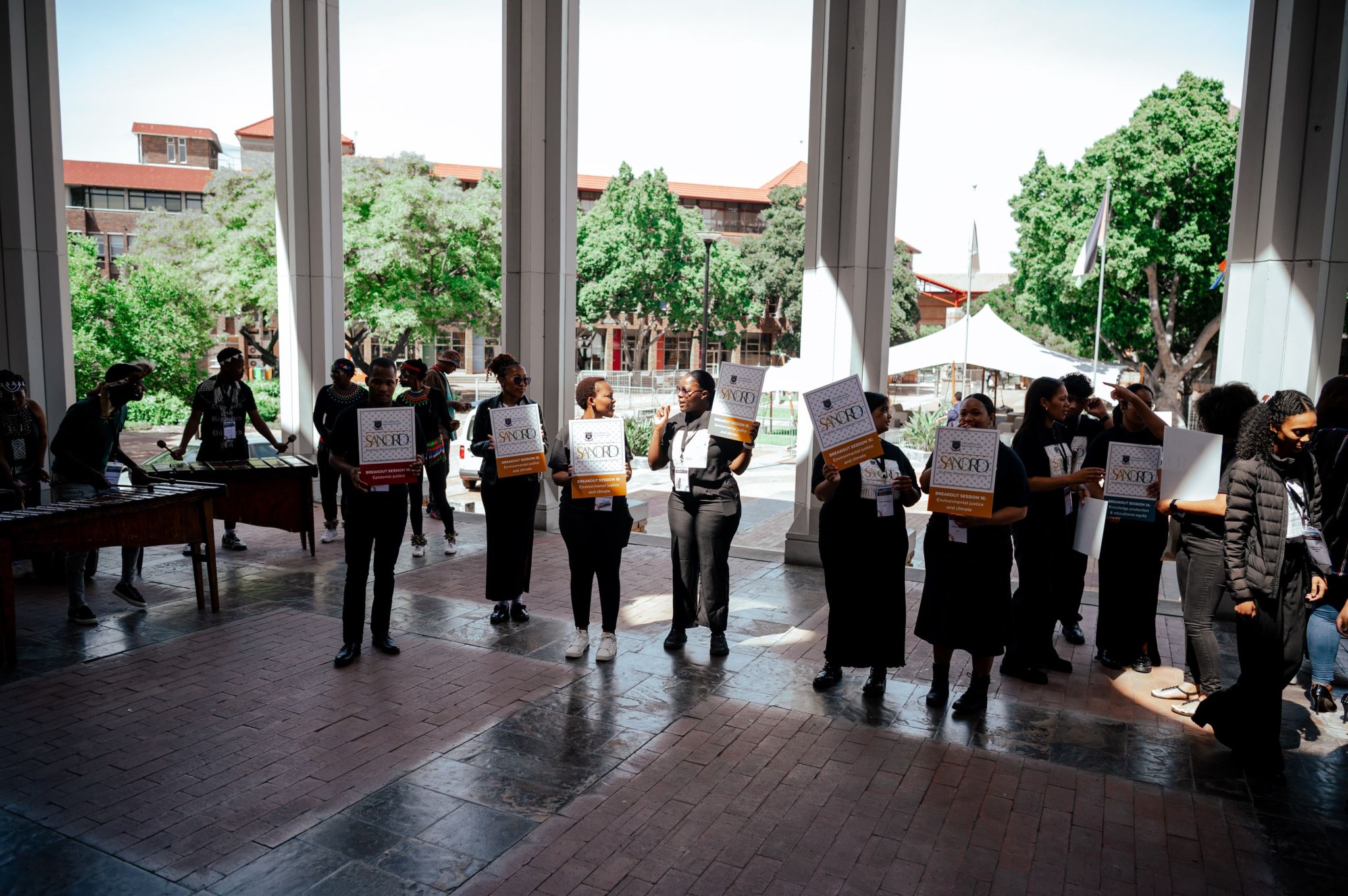
The theme of this year’s conference, “Social and Epistemic Justice: Imagining Sustainable Futures through Agency,” resonated deeply, urging a critical reflection on how we engage with power, knowledge, and our collective responsibilities in the world.
It was especially poignant that SANORD is the brainchild of former UWC Rector and Vice-Chancellor, the late Professor Brian O’Connell, and Rector Sigmund Grønmo of the University of Bergen returned to its birthplace at UWC. Throughout the conference, there was a strong emphasis on challenging existing power structures and knowledge systems and calling for a more inclusive and just society.
UWC Rector and Vice-Chancellor Prof Tyrone Pretorius’s keynote address highlighted scholarly resilience amid crises, offering pathways to hope. He said discussions on environmental justice and climate action underscored global sustainability needs, while Prof Mohamed Seedat’s session on decolonising futures and radical witness under the eucalyptus tree provided invaluable insights.
By addressing the complexities of social and epistemic justice, we were reminded of the deep interconnections between equity, sustainability and agency. The discussions prompted us to reconsider how our individual and collective actions can contribute to dismantling systemic inequalities and fostering environments where diverse voices are heard, valued and integrated into decision-making processes.
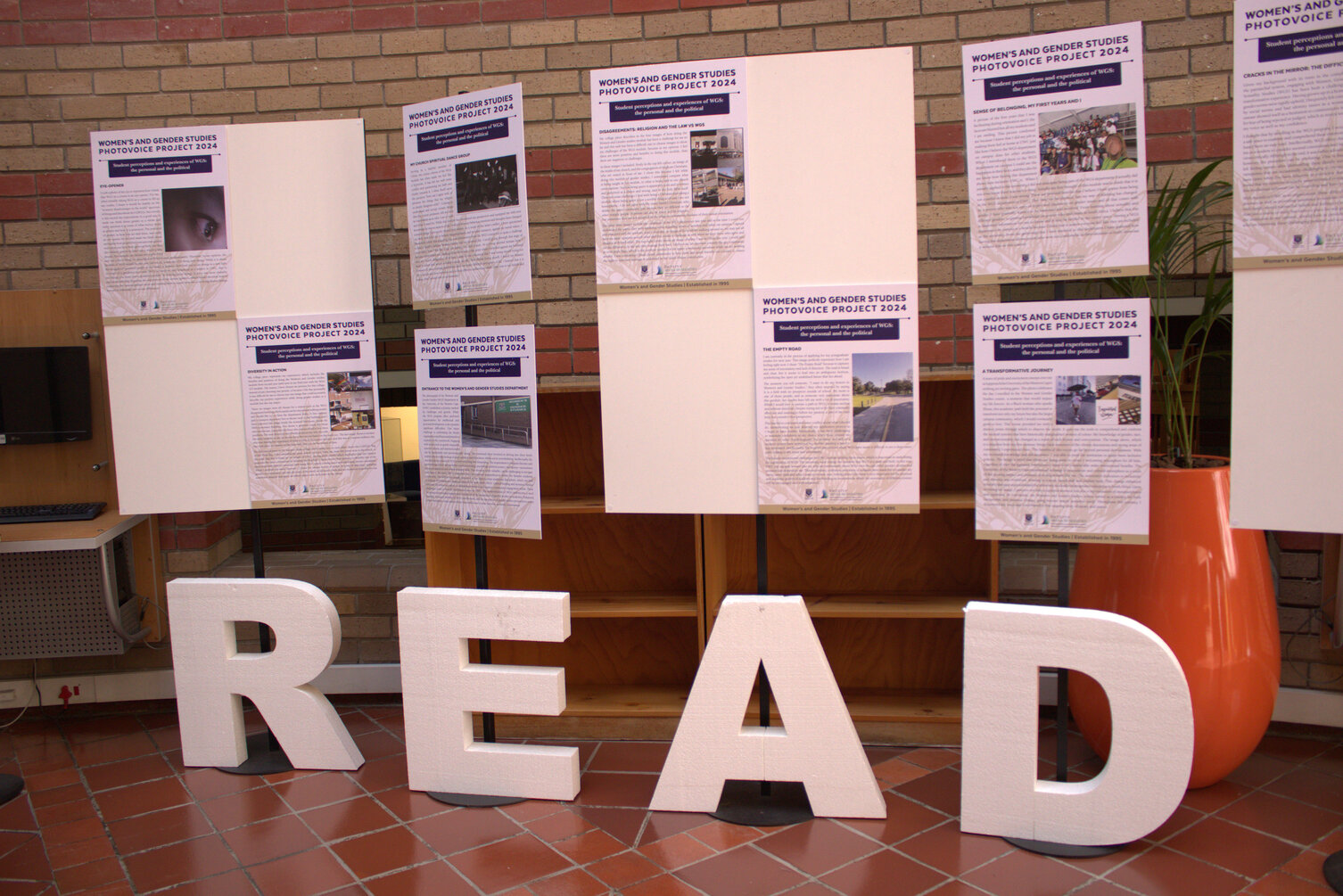
Equally important was the focus on sustainable futures. The urgency of addressing environmental, social and economic crises became even clearer as we considered the role of agency in creating change. We were challenged to think about sustainability - not just in terms of the environment, but in relation to social structures, cultural practices and economic systems that enable or hinder justice. The conversations highlighted that sustainability must be grounded in equity, and we must ensure that those who have been most impacted by injustice are not only included in solutions but are at the forefront of driving change.
In reflecting on the themes discussed, it became evident that this conference was not just a space for intellectual exchange, but also a call to action. The message was clear: we must leave behind mere reflection and take tangible steps toward building a world that embodies the values of justice, inclusivity and sustainability. The responsibility falls on all of us - delegates, institutions, and communities - to challenge our own biases, confront power imbalances and foster a culture of continuous learning and transformation.
As we returned to our respective communities, the post-conference call to action was a reminder that the work didn’t stop there. We were encouraged to carry forward the insights and inspirations from SANORD 2024 by taking deliberate, informed action, whether through policy advocacy, community engagement, or academic work. We were all tasked with embedding the principles of social and epistemic justice into our daily lives and practices. This meant actively decolonising knowledge systems, uplifting marginalised voices, and fostering an environment where sustainability is not just a goal but a lived reality for all.
Ultimately, SANORD 2024 was a testament to the power of collective agency in shaping a better future. It was a reminder that the future we envision can only be achieved through collaboration, respect for diverse ways of knowing, and a shared commitment to justice. Now, it is time to transform reflections into action, as we work together to build the sustainable and just futures we all deserve.
Thank you to the scientific committee and organising committee as well as the SANORD Central Office at UWC for hosting a successful conference. The next SANORD conference will be hosted by Aarhus University in Denmark from 13-15 August 2025 with the theme: Knowledge Economies in a Changing World.
In her keynote address, UWC’s Deputy Vice-Chancellor: Research & Innovation, Prof Jose Frantz, said: “It is an honour to have such a diverse and vibrant group of scholars, practitioners and activists gathered here today to engage in deep, transformative discussions on a topic that is not only timely but crucial to our collective future. Countries represented at this conference include the SANORD partner countries but also delegates from outside of the SANORD family.
“It calls on us to rethink our roles and responsibilities in shaping the world we want to live in. It urges us to challenge existing power structures and knowledge systems, to build more inclusive and just societies, and to cultivate sustainable futures grounded in equity and agency. This aligns seamlessly with the values of UWC, a university that has long stood as a beacon of social justice, human dignity and inclusive development.”
The Director of the UWC International Relations Office and SANORD, Mr Umesh Bawa, emphasised the importance of cooperation to realise the Sustainable Development Goals and their implementation during this time of increased global polarisation and war, and how ongoing genocides impact addressing these global challenges. He said he felt reassured that this gathering of principled and committed scholars would contribute collectively by working towards a more just and equitable world - a world that prioritises principle over privilege, people over profit, and where peace, justice and dignity prevail.